The Hatchery
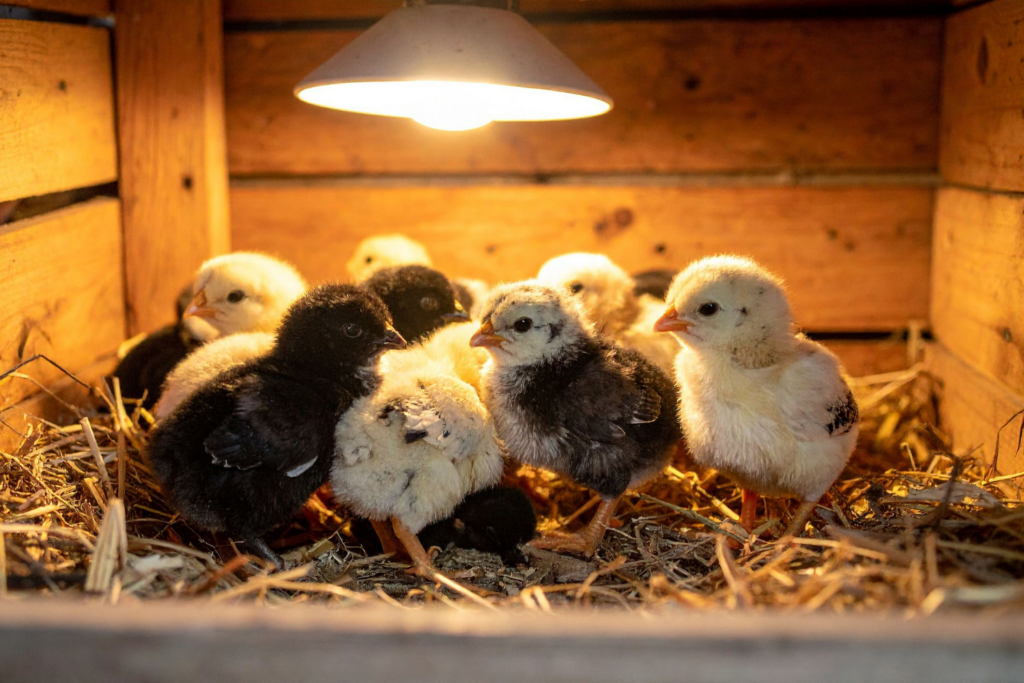
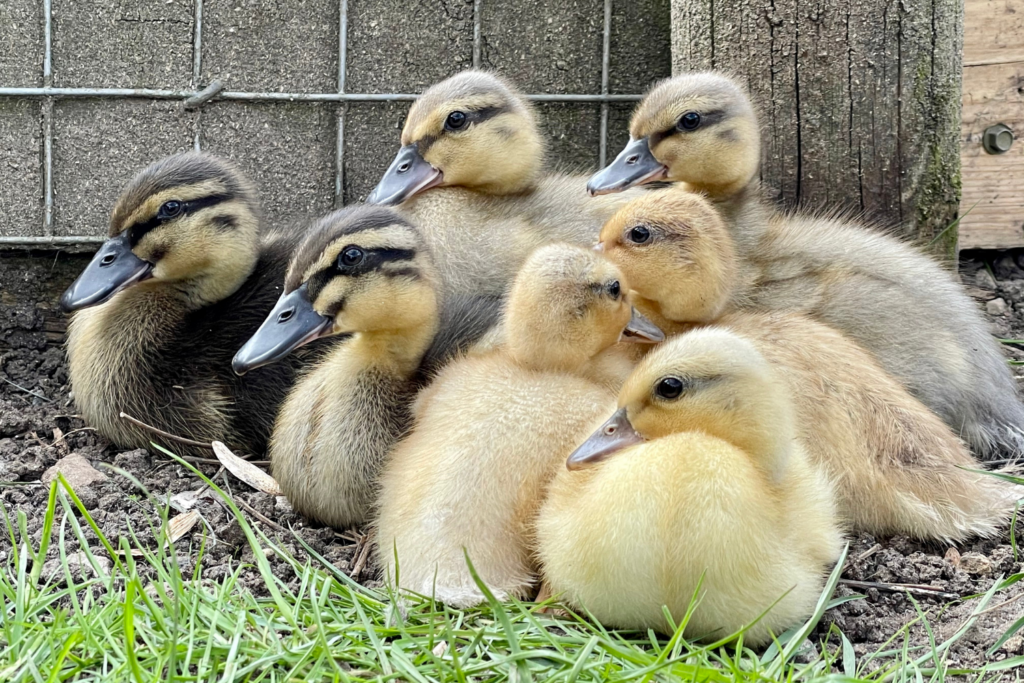
Chicks & Ducklings from Five Strand Ranch
Bring home healthy, pasture-raised chicks and ducklings from our own flocks at Five Strand Ranch.
How It Works
- Ongoing sales as hatchlings reach sale-ready age
- Order today — we fulfill as birds become available
- Strong, vigorous birds raised with natural care on pasture
Perfect for starting or expanding your backyard flock, homestead, or egg production.
Pricing: Contact us for current pricing and availability by breed (varies with season and demand).
How to Order: Place your order now. We will notify you when your hatchlings are ready for pickup. Quantities are limited — first come, first served.
Chick & Duckling Care Guide
Congratulations on your new chicks or ducklings from The Hatchery at Five Strand Ranch! These simple guidelines will help your birds thrive. Proper brooding in the first few weeks is critical.
Important Note: Chicks and ducklings have different needs. We recommend brooding them separately to avoid stress, chilling, or mess. Once fully feathered (around 6–8 weeks), they can often share outdoor space.
1. Brooder Setup (First 4–6 Weeks)
- Use a draft-free brooder box, stock tank, or enclosure with secure sides (at least 12–18 inches high).
- Start with 0.5–1 square foot per bird and increase as they grow.
- Bedding: Pine shavings, straw, or paper towels (change frequently). Avoid cedar or slippery surfaces.
- Ducklings are very messy with water — change bedding often to keep the area dry.
2. Heat & Temperature
Chicks (Chickens):
- Week 1: 95–100°F at floor level (start higher if they traveled).
- Reduce by 5°F each week until reaching ~70°F around 6–8 weeks.
- Use a heat lamp or radiant heater with a cooler escape zone.
Ducklings:
- Week 1: Start at 90°F, then reduce gradually (ducklings need less heat than chicks).
Monitor behavior: Huddled under heat = too cold. Spread out or panting = too hot. Keep the brooder room between 60–80°F with no drafts.
3. Feeding
Chicks: High-quality chick starter feed (20–24% protein) for the first 8 weeks.
Ducklings: Non-medicated duckling or waterfowl starter (18–20% protein) plus niacin supplement to support fast growth and leg health.
Offer free-choice in shallow trays. Introduce fine chick grit after the first week. Never use layer feed for young birds.
4. Water
- Provide clean, fresh water at all times in shallow containers.
- For the first day, offer slightly warm water and gently dip each bird’s beak to encourage drinking.
- Ducklings will splash — use designs that limit mess and change water/bedding frequently to prevent chilling.
5. Timeline & Transition to Outdoors
- Weeks 1–4: Brooder with heat.
- Weeks 4–6: Gradually reduce heat as birds feather out.
- 6–8 weeks: Move to a secure coop or sheltered run in mild weather.
- Full flock integration: Usually safe after 8–10 weeks when fully feathered.
6. Health & Daily Care
- Observe daily for activity, bright eyes, and clean vents.
- Keep the brooder clean and dry to prevent pasty butt (clean gently with warm water if needed).
- Offer electrolytes or probiotics in water for the first 3–5 days, especially for shipped or traveled birds.
- Practice good biosecurity: Wash hands after handling.
7. Safe Handling & Salmonella Warning
Young poultry can carry Salmonella. Wash hands thoroughly with soap and water after handling birds or equipment. Supervise children and keep birds away from food areas.
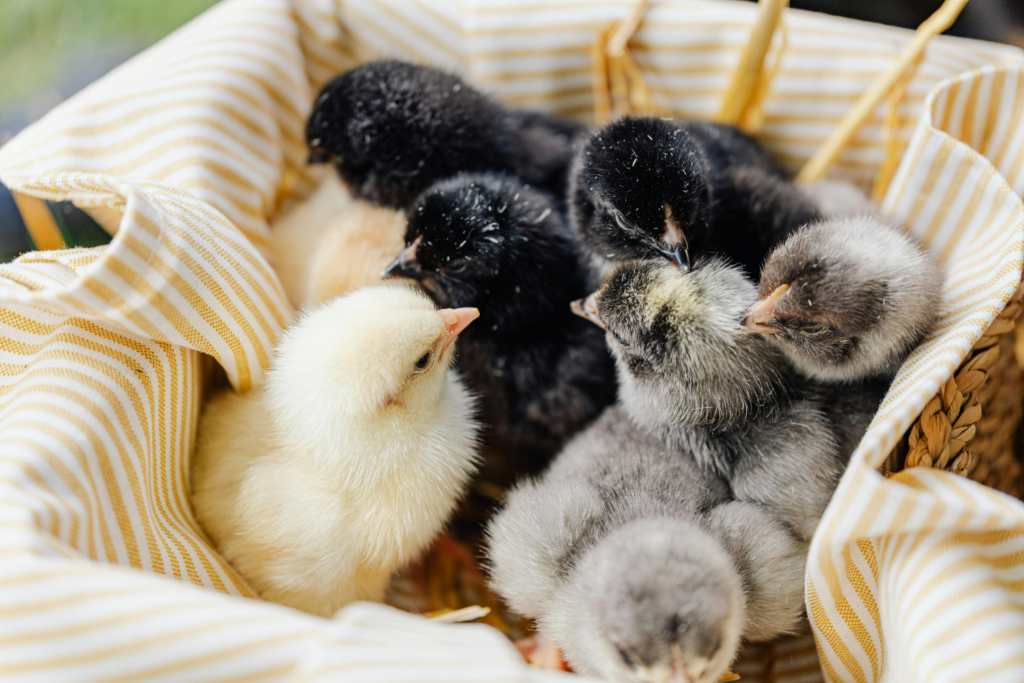
Tips for New Arrivals
Have the brooder fully set up and warm before pickup. Minimize handling the first 24 hours so they can rest, warm up, eat, and drink.
At Five Strand Ranch, we want your birds to grow into healthy, productive members of your flock. Contact us anytime with questions specific to your setup.